Understanding the Role of Parks in Outdoor Recreation
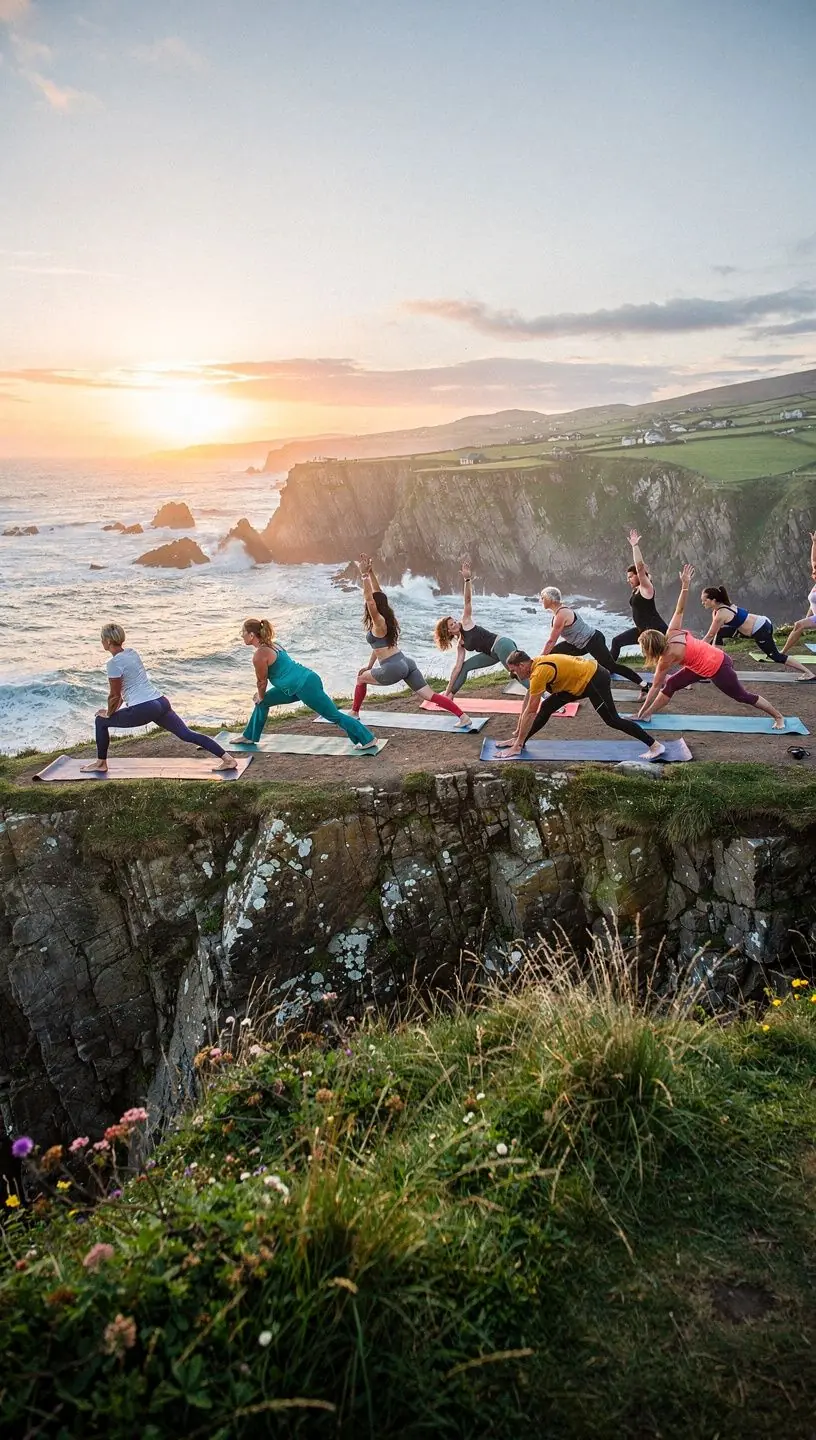
Parks play a vital role in enhancing our outdoor recreation experiences, providing spaces for walking, cycling, and other activities that promote physical and mental well-being. This article explores the importance of parks in outdoor recreation and how they can enrich our lives.
The Importance of Parks
Parks serve as essential community hubs that facilitate various recreational activities. According to the National Recreation and Park Association (NRPA), parks are crucial for improving community health, safety, and overall quality of life. They provide accessible green spaces that typically encourage residents to engage in outdoor activities.
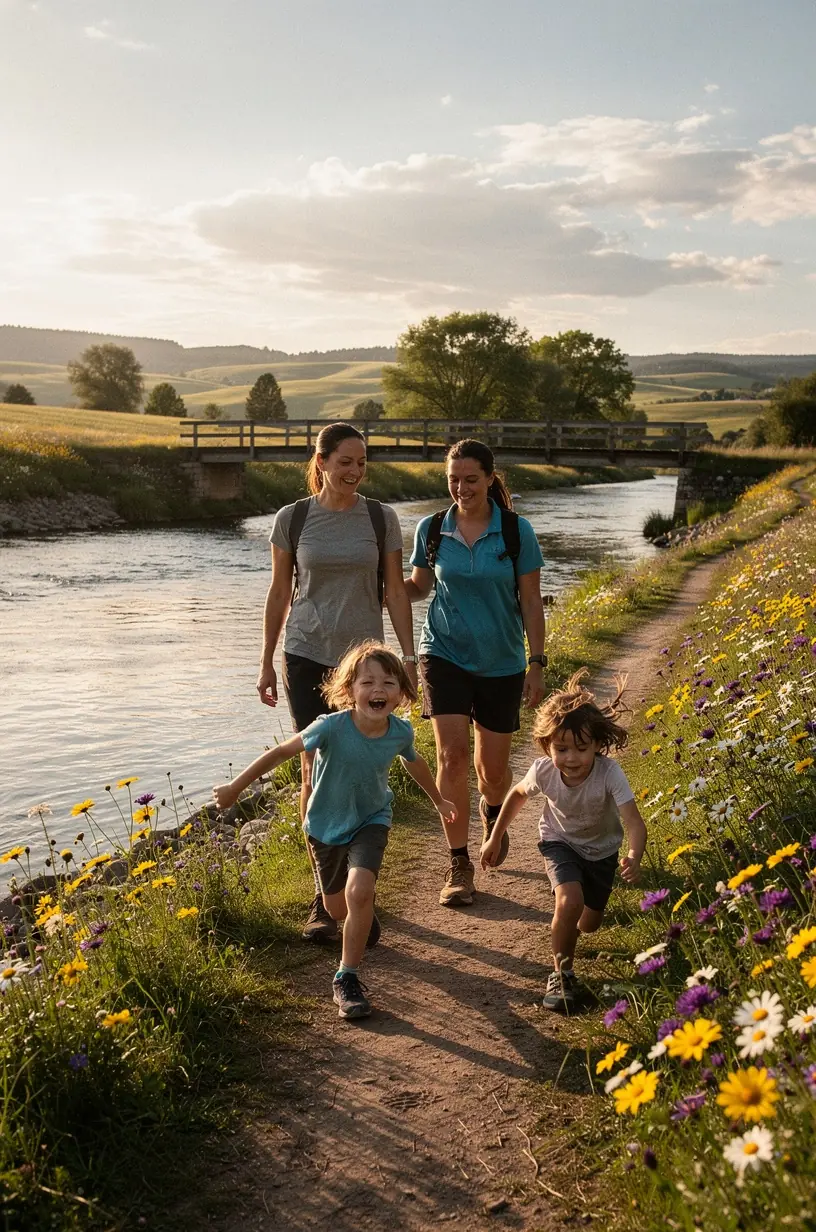
"Research indicates that individuals who engage in outdoor recreation in parks experience improved mental health outcomes, including reduced stress and increased happiness."
Benefits of Outdoor Recreation in Parks
Engaging in outdoor activities in parks can lead to numerous physical and mental health benefits. Studies show that spending time in nature can:
- Boost Physical Health: Regular activities such as walking or cycling in parks can help lower the risk of chronic diseases, including obesity and cardiovascular issues.
- Enhance Mental Well-being: Many users report feeling less anxious and more relaxed after spending time in green spaces, as nature has a soothing effect.
- Encourage Social Interaction: Parks often serve as gathering places, fostering community connections and social bonds among users.
How Parks Support Various Outdoor Activities
Parks are designed to accommodate a range of outdoor activities, from light tourism to more intense recreational pursuits. They typically feature:
- Walking Trails: Well-maintained paths encourage walking and jogging, making it easy for people of all fitness levels to participate.
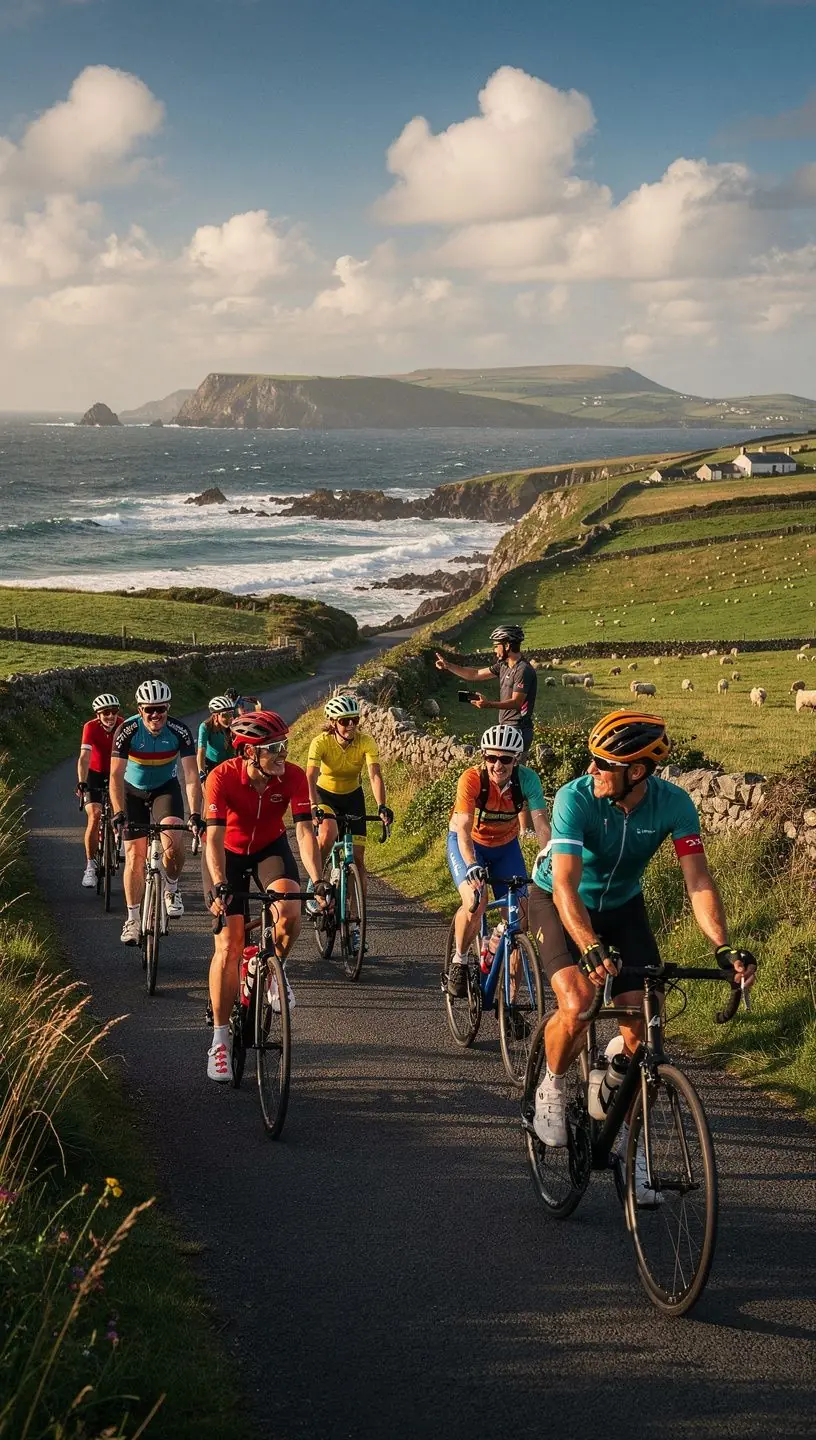
- Cycling Routes: Many parks offer dedicated cycling paths, promoting a safer environment for cyclists and encouraging eco-friendly transportation.
- Play Areas and Facilities: Parks frequently include playgrounds, sports fields, and picnic areas, providing options for families and groups to enjoy leisure time together.
Best Practices for Using Parks Effectively
To maximize the benefits of outdoor recreation in parks, consider the following best practices:
- Plan Your Visits: Research local parks and their amenities to find options that suit your recreational preferences and fitness goals.
- Engage in Diverse Activities: Try different outdoor activities available at the park. For instance, you might alternate between walking and cycling to keep your routine engaging.
- Be Mindful of Park Etiquette: Respect park rules, share paths with others, and leave no trace to ensure a pleasant environment for all visitors.
Acknowledging Limitations
While parks offer numerous benefits, it’s essential to acknowledge some limitations. Depending on location, park accessibility can vary, and users might find that certain parks are overcrowded during peak times, which may detract from the experience. Moreover, some parks may not have facilities for all types of outdoor activities, so it's important to manage expectations accordingly.
Conclusion
In summary, parks play a crucial role in promoting outdoor recreation, enhancing both physical and mental well-being. By providing accessible spaces for a variety of activities, parks support community health and foster social connections. However, being aware of the limitations and planning your visits can help you make the most of these valuable resources. So, lace up your walking shoes, grab your bike, and discover the enriching experiences that parks can offer!
Learn More